menu
person

Portland: The Ocean After the Rust Belt

After the industrial gloom of the Rust Belt cities, I finally crossed the state line into Maine. Portland greeted me with the smell of salt, the cries of seagulls, and the cold Atlantic breeze. I had moved from the heart of the continent to the very edge of the rocky Atlantic coast.

Portland: A City of Stone and Sea

The history of this place is darker than its picturesque lighthouses suggest.

  • Indians and Colonists: Originally called Machigonne, the land belonged to the Wabanaki people. The English turned it into a fishing village and later a key port for timber transport.
  • Seven Times Burned: The city was burned to the ground several times. The most devastating fire happened in 1866 when a boy threw a match into a fireworks shed on Independence Day.
    • Interesting Fact: This is why the Old Port district looks so uniform today — it was rebuilt almost simultaneously from brick and stone in the late 19th century.
  • Canals and Capital: Portland once competed with Boston for the title of the region's main port. The famous writer Henry Wadsworth Longfellow was born here, looking out at these very docks.

Old Port: The Soul of the City

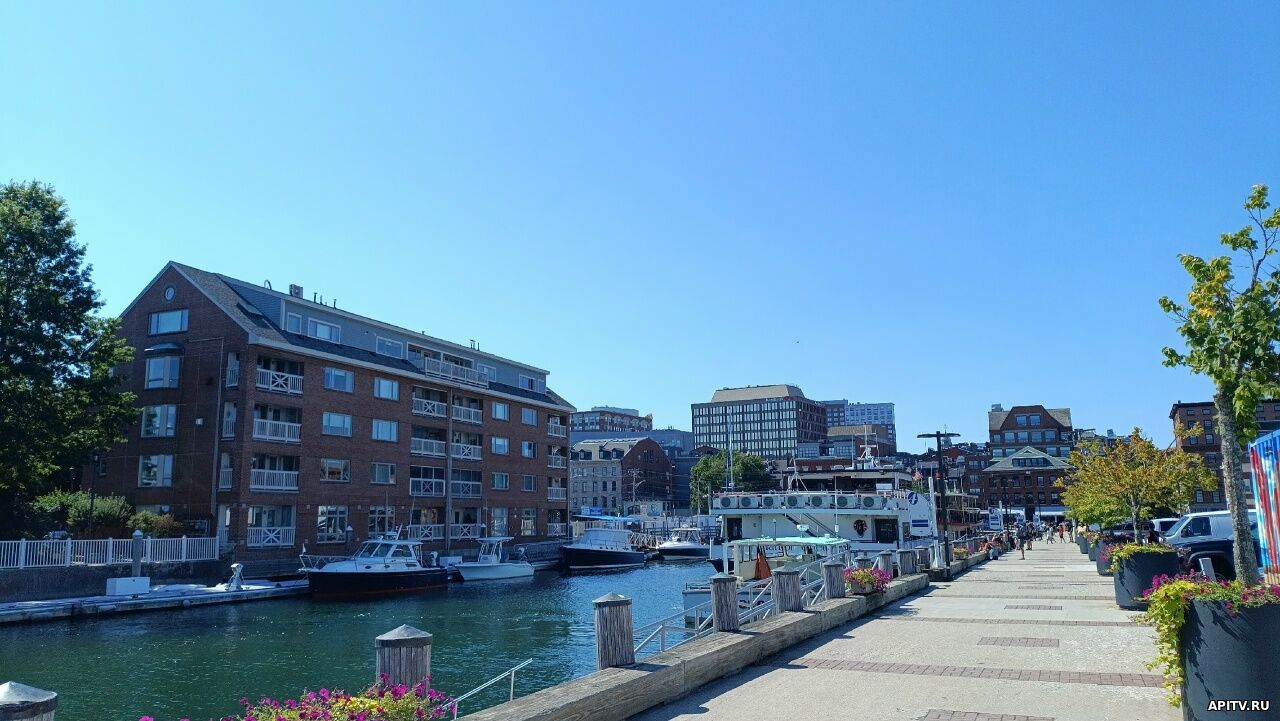
The heart of modern Portland is the Old Port district. Cobblestone streets, renovated Victorian-era brick warehouses that have now become expensive lofts, restaurants, and breweries. It smells of the ocean, fried lobster, and coffee. Local fishermen still head out to Casco Bay at dawn. Walking here in the evening, listening to the wooden piers creaking under your feet, you understand the rhythm of the East Coast — slow, salty, and harsh.

Polymers vs. Lobsters

Unlike the cities of Ohio, where the economy was built on steel and tires, Portland's economy relies on different pillars:

  1. The Sea: Fishing, logistics (a deep-water port), and tourism.
  2. Biotech and Polymers: Companies like IDEXX Laboratories (veterinary diagnostics) have headquarters here. It reminded me of Akron — a city trying to pivot from heavy industry to high-tech to survive.

My Path: From Niagara to the Atlantic

I arrived in Portland late at night. Over the past few days, I had seen the Great Lakes, the waterfalls, the factories of the Rust Belt, and the campuses of the Ivy League.

In Portland, I finally had a chance to breathe. Standing on the shore of the Atlantic Ocean, looking east toward Europe, I felt the contrast. After the chaos of New York, the poverty of Buffalo, and the academic strictness of Brunswick, this city felt unique and vibrant.

David Polyakov (Special Correspondent for API TV from Portland, Maine, USA)

Категория: Туризм | Добавил: polyackovdavid (Сегодня) | Автор: Давид Поляков W
Просмотров: 7859 | Рейтинг: 5.0/11