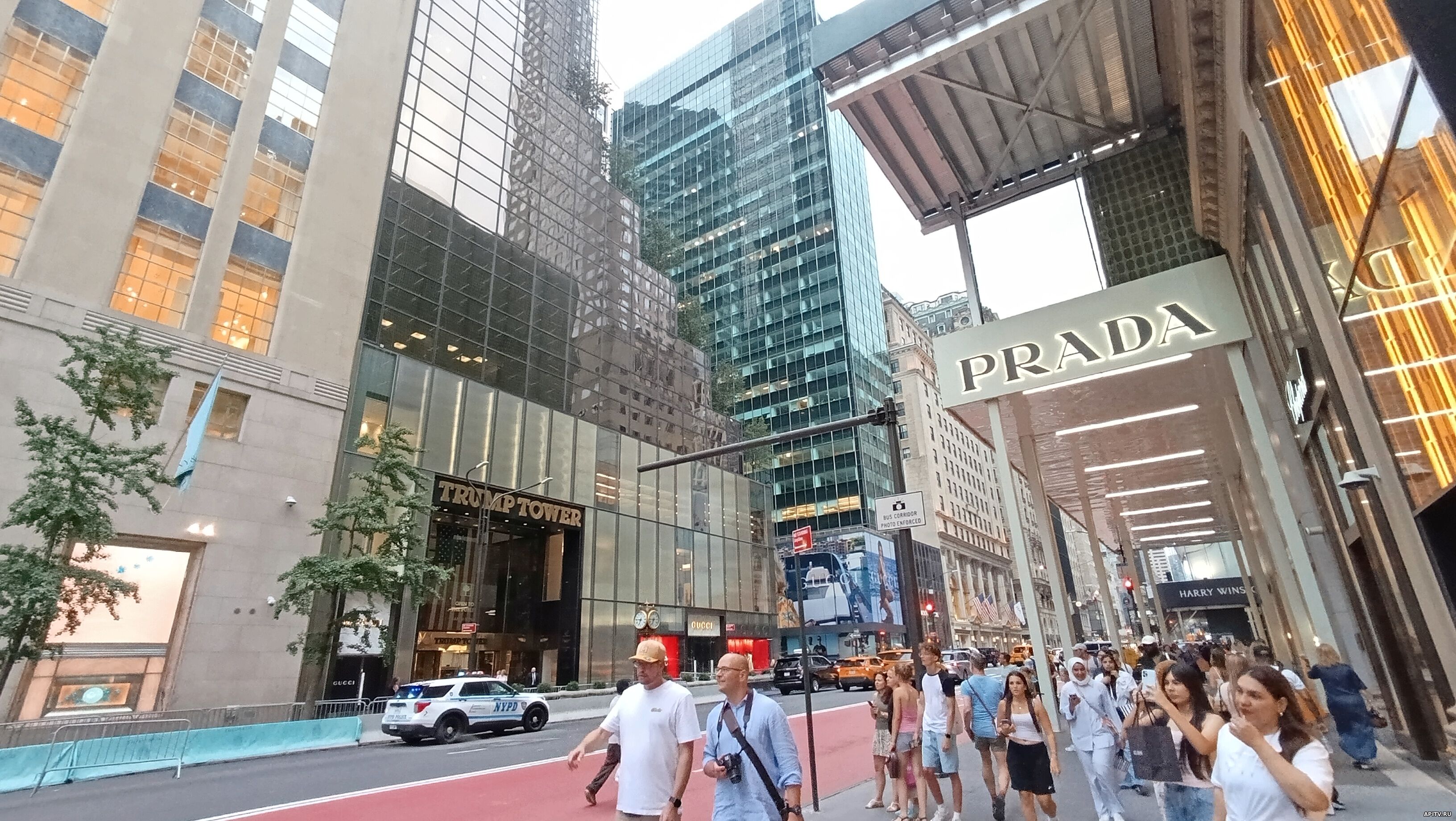
Trump Tower was built on the site of the former "Bonwit Teller" department store — a 1929 building that had undergone architectural renovation. Trump acquired the property in 1979 with the goal of constructing the city's first "super-luxury" skyscraper. The construction was led by Barbara Res, who also worked on several other Trump projects and served as a consultant until 1996. At the time, Res was the first woman appointed to manage one of New York's most significant construction sites. Trump Tower introduced the world to the concept of the "Bronze Curtain."
Structural Challenges: Building DownwardsOne of the most complex engineering feats of the project wasn't the height, but the depth.
Innovation in Urban ContextTrump Tower changed how developers approached mixed-use spaces. It wasn't just an office building or a hotel; it was a "vertical city." By stacking retail, office space, and luxury condominiums into a single 200-meter structure, the project redefined density. It proved that high-end retail and private residences could coexist in the same volume without devaluing each other. This principle of vertical integration — "Live, Work, Shop" — became a blueprint for luxury skyscrapers globally. The Political EraAfter Trump announced the start of his presidential campaign in 2015, the number of visits to the tower surged. Shops sold campaign merchandise, with proceeds going to fund the campaign. The tower gained popularity among New York tourists in 2016, especially after Trump was elected president. David Polyakov (Special Correspondent for API TV from New York, USA) | |
|
| |
| Просмотров: 11722 | |