
On the world map, Abakan and Buffalo are separated by 10 time zones and the Pacific Ocean. One is the capital of sunny Khakassia, the other is the gateway to Niagara Falls in New York State. But if you peel back the tourist brochure layer, these cities turn out to be twin brothers. They are two industrial skeletons, forgotten by time and the state.
1. The Curse of the "Younger Brother"
The main reason for the grayness of both cities is geography.
- Buffalo: Eternally lives in the shadow of New York. In the 19th century, it was supposed to become the main port of the East Coast, but after the Great Fire of 1813 and the construction of the Erie Canal, all financial power moved to Manhattan. Buffalo was left with factories when the money moved to the banks.
- Abakan: Sits in the dense shadow of Krasnoyarsk. Krasnoyarsk is a Siberian beast, an industrial giant. Abakan, however, is perceived as a "bedroom community" or a quiet haven for those who work in the metropolis but want to buy a house cheaper.
- Common Ground: Both cities are donors. They give away their best talent, taxes, and ambitions to their older brothers, remaining merely transit points on the map.
2. Architecture of Depression
The cities look as if the life has been sucked out of them.
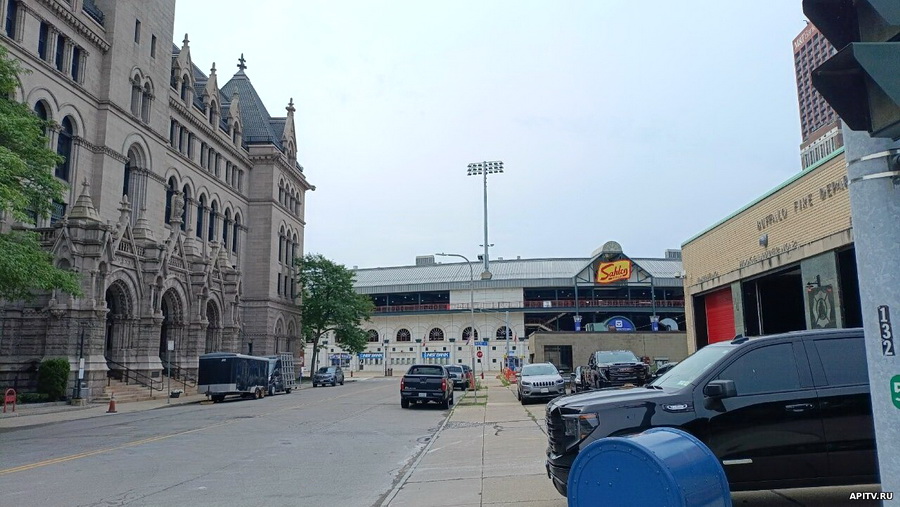
- Buffalo: Majestic Art Deco facades (City Hall, Guaranty Building) stand next to boarded-up windows in the East Side. It is a museum of American wealth from the 1920s that has rotted from the inside.
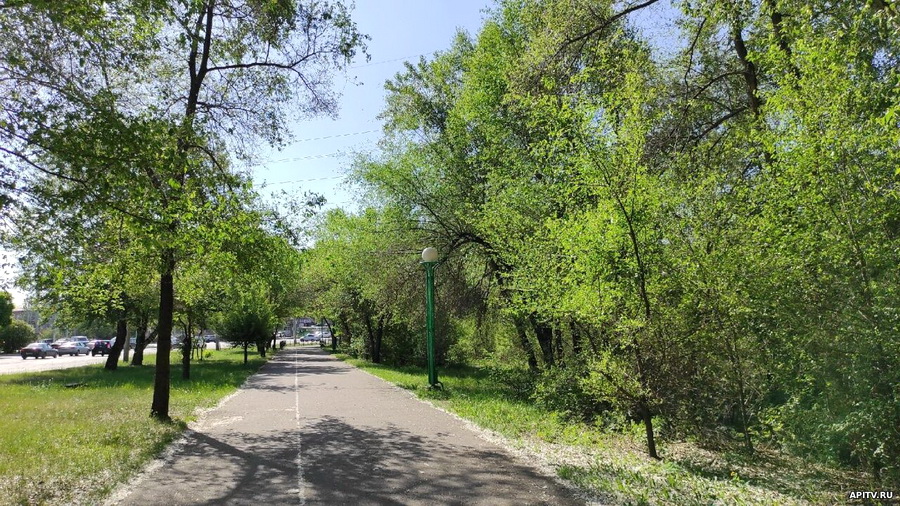
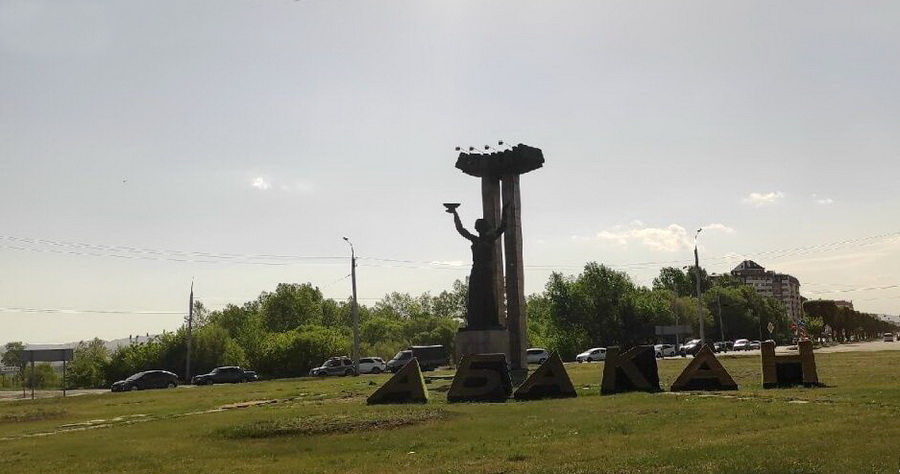
- Abakan: Stagnant Soviet modernism. Panel microdistricts, broken asphalt in the courtyards, and typical administrative buildings. The city is not being rebuilt; it is simply decaying.
- Common Ground: A feeling of "temporariness." It feels like the city is just a movie set that was forgotten to be dismantled after filming a movie about heavy industry.
3. Chronicles of the Exodus (Demographics)
The statistics of both cities scream the same thing — people are leaving.
- Buffalo: Has lost over 50% of its population since 1960 (dropping from 500,000+ to 278,000). When the Bethlehem Steel plants closed, people didn't find new jobs and simply packed their bags.
- Abakan: While it grows due to internal migration in Siberia, it suffers from a "brain drain" to Moscow, St. Petersburg, and Krasnoyarsk itself. Young people see no prospects in the regional capital if they can move to the center.
- Common Ground: Empty industrial zones. In Buffalo, these are the rusted remains of steel mills on the shores of Lake Erie. In Abakan, these are the abandoned workshops of Soviet enterprises on the outskirts. Emptiness breeds a sense of insecurity.
4. Winter as a Trial
The climate in both cities is not just weather; it is an enemy.
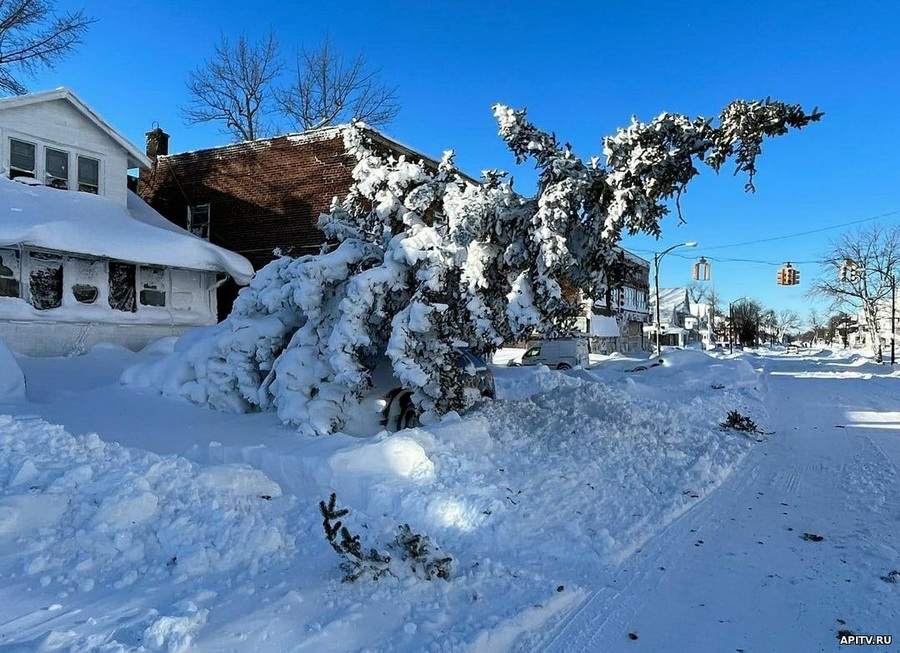
- Buffalo: "The Snowmobile City." Lakes Erie and Ontario create a snow belt effect. Winters here are dark, oppressive, with constant icy winds.
- Abakan: A harsh continental climate. Winter here is crystal, dry, but with temperatures of -35...-40°C (-31...-40°F). This is a survival climate.
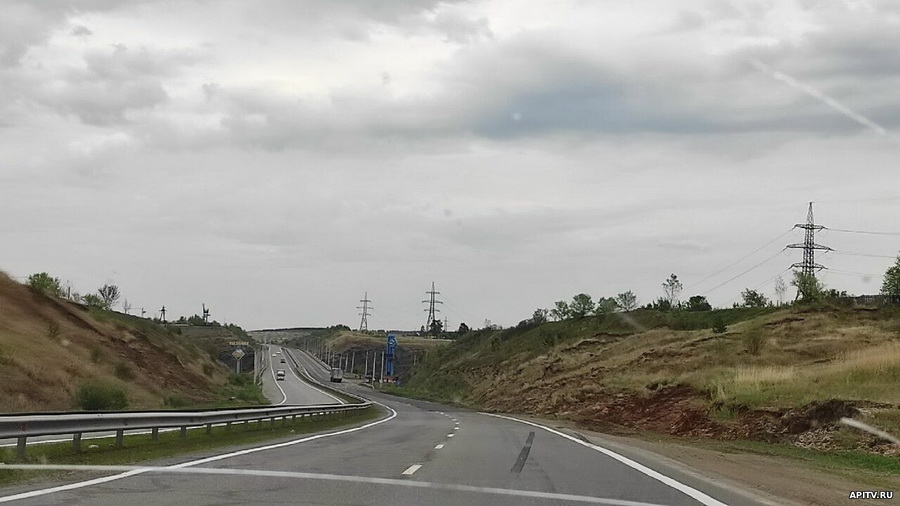
- Common Ground: Infrastructure fails. In Buffalo, these are famous snowdrifts that paralyze highways. In Abakan, it is freezing pipes, potholes that turn into rivers in spring, and a chronic lack of street lighting.
5. Safety: Illusion vs. Reality
Your average safety rating here is a compromise between a quiet center and a dangerous periphery.
- Buffalo: High levels of violent crime in certain areas (East Side). The city consistently ranks among the most dangerous in the US for homicides and assaults. The developed bus network (NFTA) doesn't save you — people are afraid to wait for buses at dark stops.
- Abakan: The crime rate is lower than in the US, but the feeling of insecurity is higher due to the quality of the urban environment. Poor lighting, abandoned construction sites, broken streetlights. Public transport here consists of old buses that run rarely and do not create a sense of comfort.
- Common Ground: In both cities, you feel safe only in a car or downtown. Step aside — and you enter a zone of alienation.
Why don't they change?
The problem of Abakan and Buffalo is that they are trying to solve 20th-century problems with 20th-century methods. They are waiting for the factories to return. But the factories will not return.
Buffalo is now trying to reorient itself toward medicine and education (like Cleveland), but the inertia of the decline is too great. Abakan remains an administrative center without a powerful economic base.
Traveling through these cities, I understood one thing: the grayness of concrete is not the color of stone. It is the color of the absence of hope. But it is in such places, far from the glossy shop windows of capitals, that you can best see how the state actually works — or breaks down.
David Polyakov (Special Correspondent for API TV from Buffalo, NY, USA)
MORE:
Sherman on Fifth Avenue: Triumph and the Shadow of the Civil War
Odyssey of the Rust Belt: A Visit to Barons Bus
Greyhound Lines: How I Swapped a Plane for an Intercity Bus
First night in New York: not on Broadway, but on Busway
White Among Blacks, Rich Among Poor: Survival in One of America's Dangerous Cities
JFK — Manhattan: My First Steps in the USA
Rockefeller Center: The Steel Flower of the Great Depression
Cleveland: Where an Empire Was Born. The Story of Standard Oil and John D. Rockefeller
Akron, "All-America City 2025": One Year After the Triumph
Древние люди из Сунгиря. Экспедиция Андрея Полякова «По Пути Афанасия Никитина»
#ДавидПоляков #USA #Clevelend #CIP #наука #Экспедиция #АндрейПоляков #APITV #ЭкспедицияАндреяПолякова #Путешествия #Туризм #Авто |