Morning, July 27th. I finally arrived in the United States: a flight from Belgrade brought me to New York.
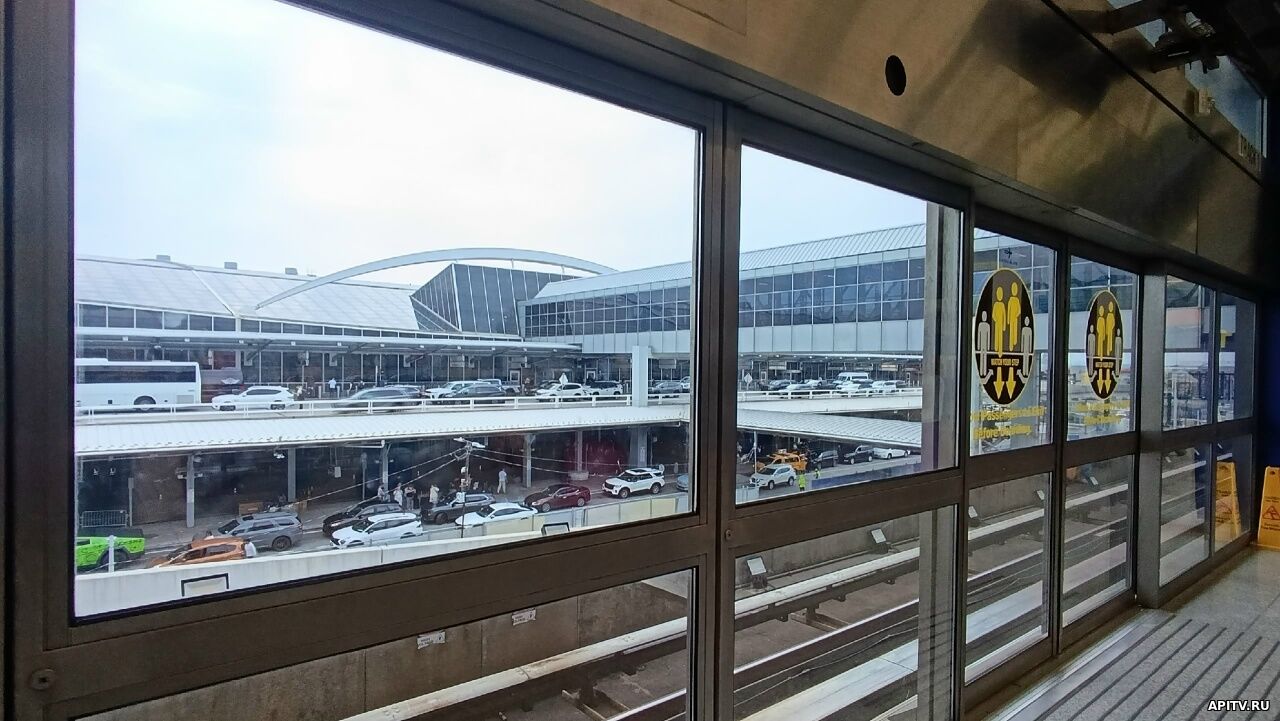
The Hardest Stage: Border ControlThe plane from Serbia landed on schedule at 11:55 AM. It took about twenty minutes to reach the terminal after exiting the aircraft. The line for passport control was split into three streams: US citizens, Green Card holders, and foreign nationals. The wait lasted about 40 minutes. Mostly Chinese travelers surrounded me; they were holding large folders of documents which they presented to the officers. When it was my turn, the officer glanced at my passport, asked about the purpose of my visit, and sent me to a secondary inspection room ("the office") for additional questioning. They confiscated my passport. For about 15 minutes, I sat in the waiting area. Most people there were my peers—students as well. The difference was that I had entered on a tourist B1/B2 visa, while most of them held F1 student visas. When they called my name, I stepped inside to speak with the officer. He asked about the organization inviting me, my colleagues, my place of study, employment status, relatives in the US, family ties, property ownership, and military service history. My answers seemed to satisfy him. Then he followed up regarding my travel plans to Cleveland. I replied that I would be taking a bus from the Port Authority Bus Terminal. The officer explained how to get there, stamped my passport, returned it, let me go, and wished me luck. At the baggage claim carousel, I noticed the "Admits Until" date on my entry stamp: January 20, 2027. As my friends joked later, this gives me enough time to legally walk through the entire autumn semester if I want to. "Welcome to New York"In the airport, I stopped by a Hudson News store to buy some water and exchange currency (breaking a hundred-dollar bill). Then I followed signs to the AirTrain—an elevated monorail connecting the terminals to the subway. Taxis in NYC are notoriously expensive, so I decided public transit was the way to go.
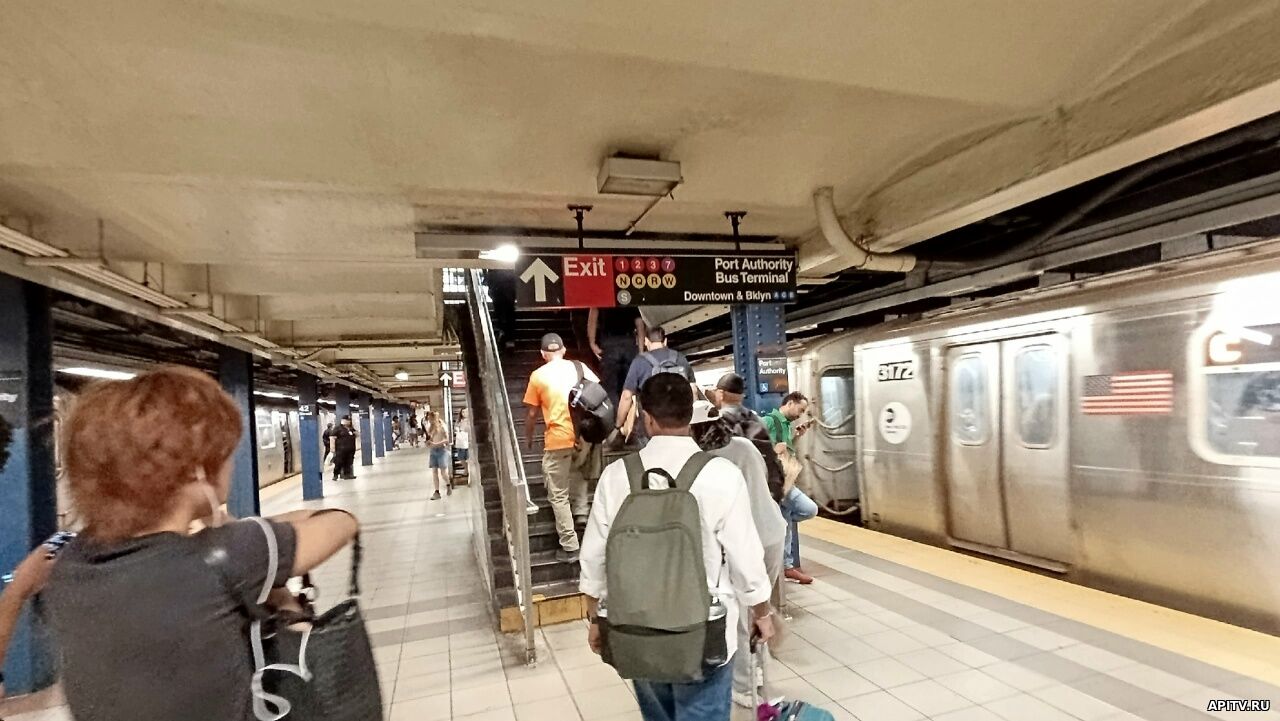
Ten minutes later, I boarded the AirTrain and rode it to Howard Beach station. There, I paid for the monorail ride ($8), bought an OMNY card, and loaded it with $15. From Howard Beach, I transferred to the A-train heading toward 42nd Street–Port Authority Bus Terminal. In the subway car, I was mostly surrounded by African American and Latino passengers. You could hear Spanish spoken frequently.
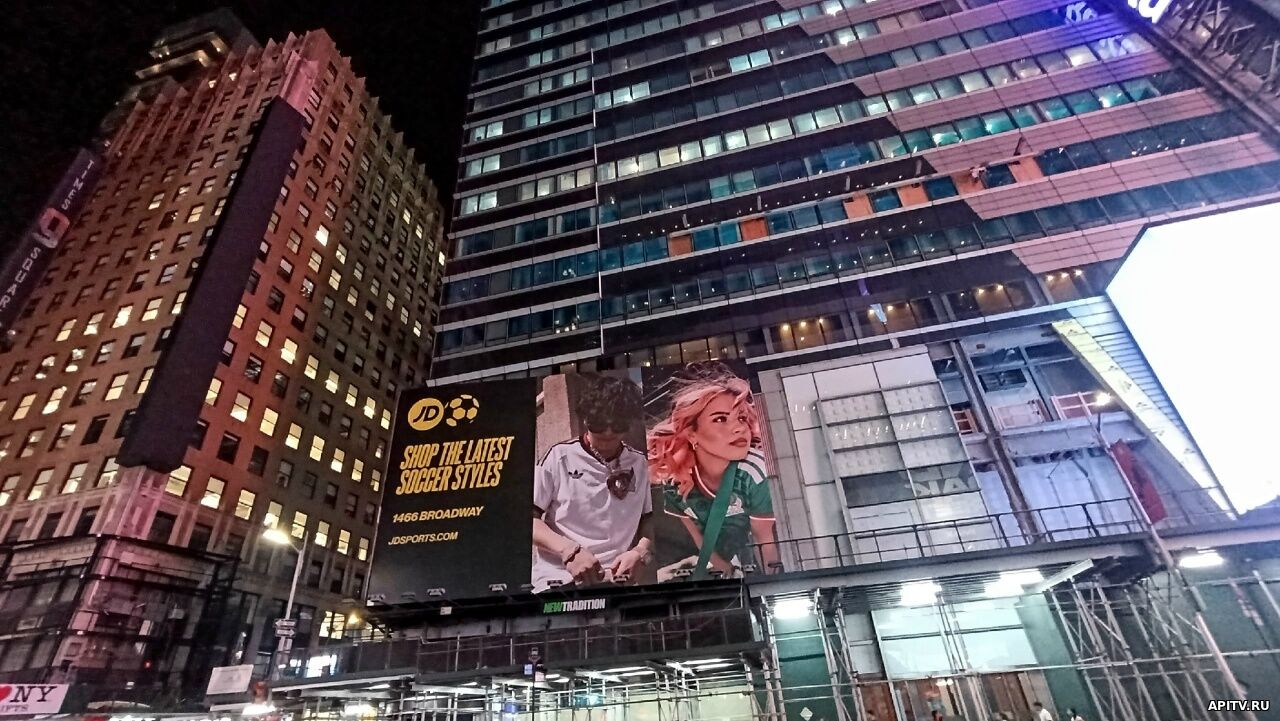
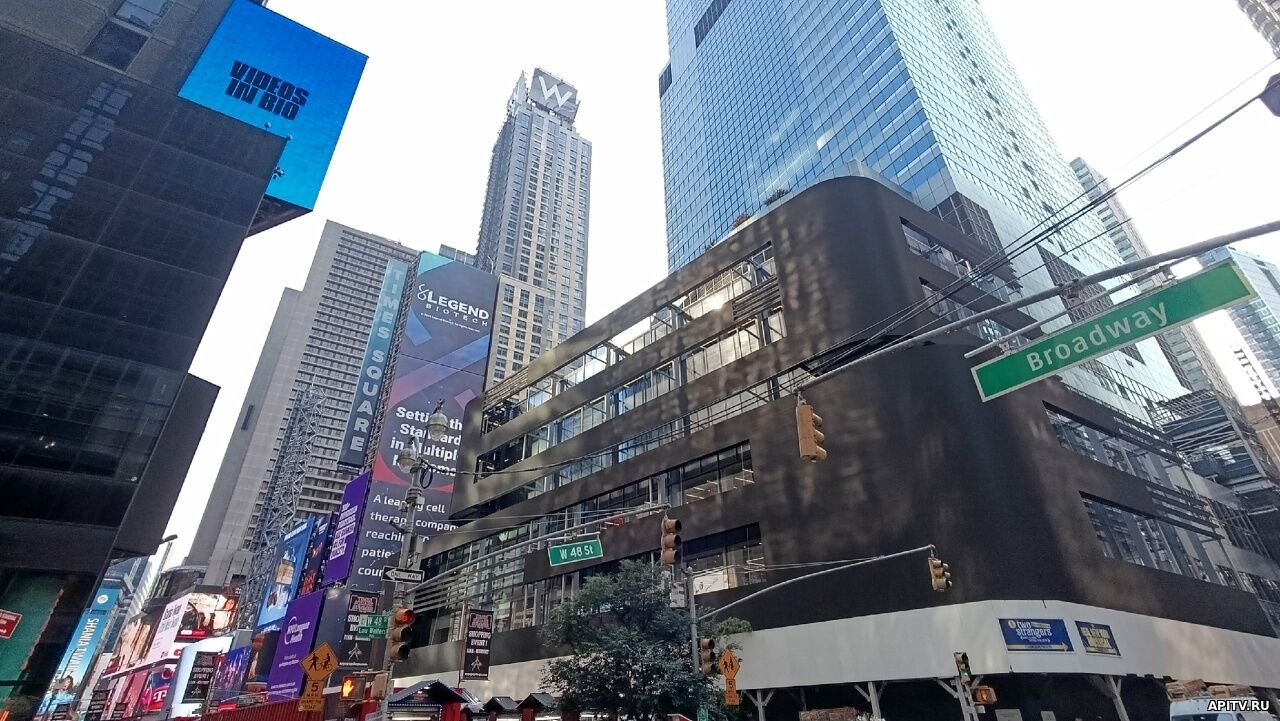
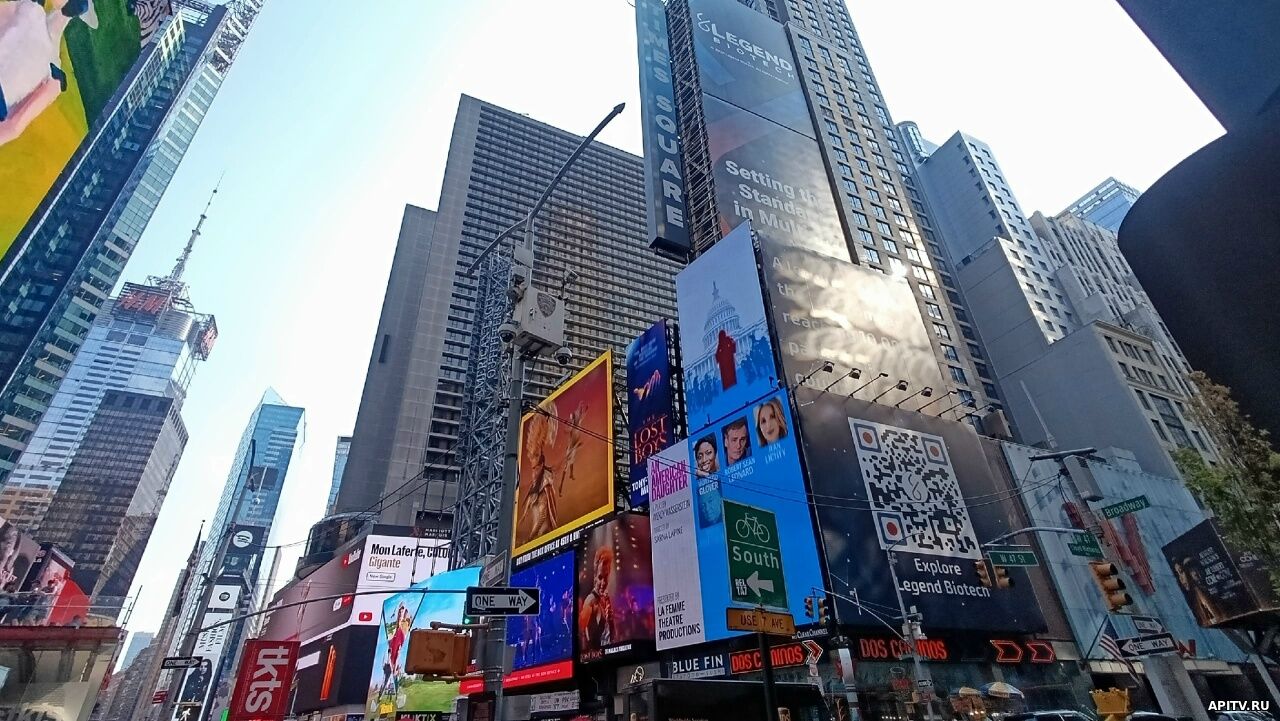
I walked slowly through Times Square and Broadway, looking at advertisements and street shows. The streets were packed. There was no opportunity to stop and pull out my video camera; until I reached Central Park entrance, I only filmed using my phone. Times Square left mixed impressions. On one hand, I immediately felt the scale of New York and admired the quality and diversity of its advertising spectacle. On the other hand, the streets were dirty and crowded with homeless people who constantly approached asking for money. I ignored them and just kept walking. This helped me avoid trouble on day one. At that moment, an involuntary comparison arose between the center of New York and the center of Moscow: the streets of Moscow are much cleaner and wider, without such visible poverty.
"We are here because we love you and Jesus Christ".
After this pleasant conversation, my tour of Manhattan continued. I exited the park onto Fifth Avenue, which I had read about before the trip in Theodore Dreiser's novel "The Financier". Here, the atmosphere was completely different: the street was wide, clean, and virtually free of panhandlers. I took photos against the backdrop of the General Sherman monument, The Plaza Hotel, and the New York Public Library. Passing Gucci, Prada, Dolce & Gabbana, Nike, Puma, and Paris Saint-Germain stores made me feel like I was truly in the heart of capitalism. Seeing Rockefeller Center and the Empire State Building allowed me to feel like a character in an American movie.
David Polyakov (Special Correspondent from New York, USA) MORE: Rockefeller Center: The Steel Flower of the Great Depression Cleveland: Where an Empire Was Born. The Story of Standard Oil and John D. Rockefeller Akron, "All-America City 2025": One Year After the Triumph Cleveland Marks the 70th Anniversary of the Council for International Programs (CIP) A Bridge Across Space: How a Bronze Gagarin Spoke to Cleveland Древние люди из Сунгиря. Экспедиция Андрея Полякова «По Пути Афанасия Никитина» #ДавидПоляков #USA #Clevelend #CIP #наука #Экспедиция #АндрейПоляков #APITV #ЭкспедицияАндреяПолякова #Путешествия #Туризм #Авто | |
|
| |
| Просмотров: 12497 | |